
Beverage Plant Belt Failures: Solving Washdown Damage with High-Quality Conveyor Belts
Belts in beverage plants rarely fail because of product load. They fail because of cleaning. Caustic circulation, acid sanitisers, hot rinse water and the mechanical stress of repeated washdown cycles attack belting at its weakest points — hinge lines, baffle roots, pin bores and splice areas. Fixing that damage requires a belt whose polymer, geometry and drive interface are specified for washdown duty, and a supplier who can keep delivering the identical part for years rather than once. This guide works through the failure mechanism, the specification that answers it, and a step-by-step route from diagnosis to a stable long-term replacement programme.
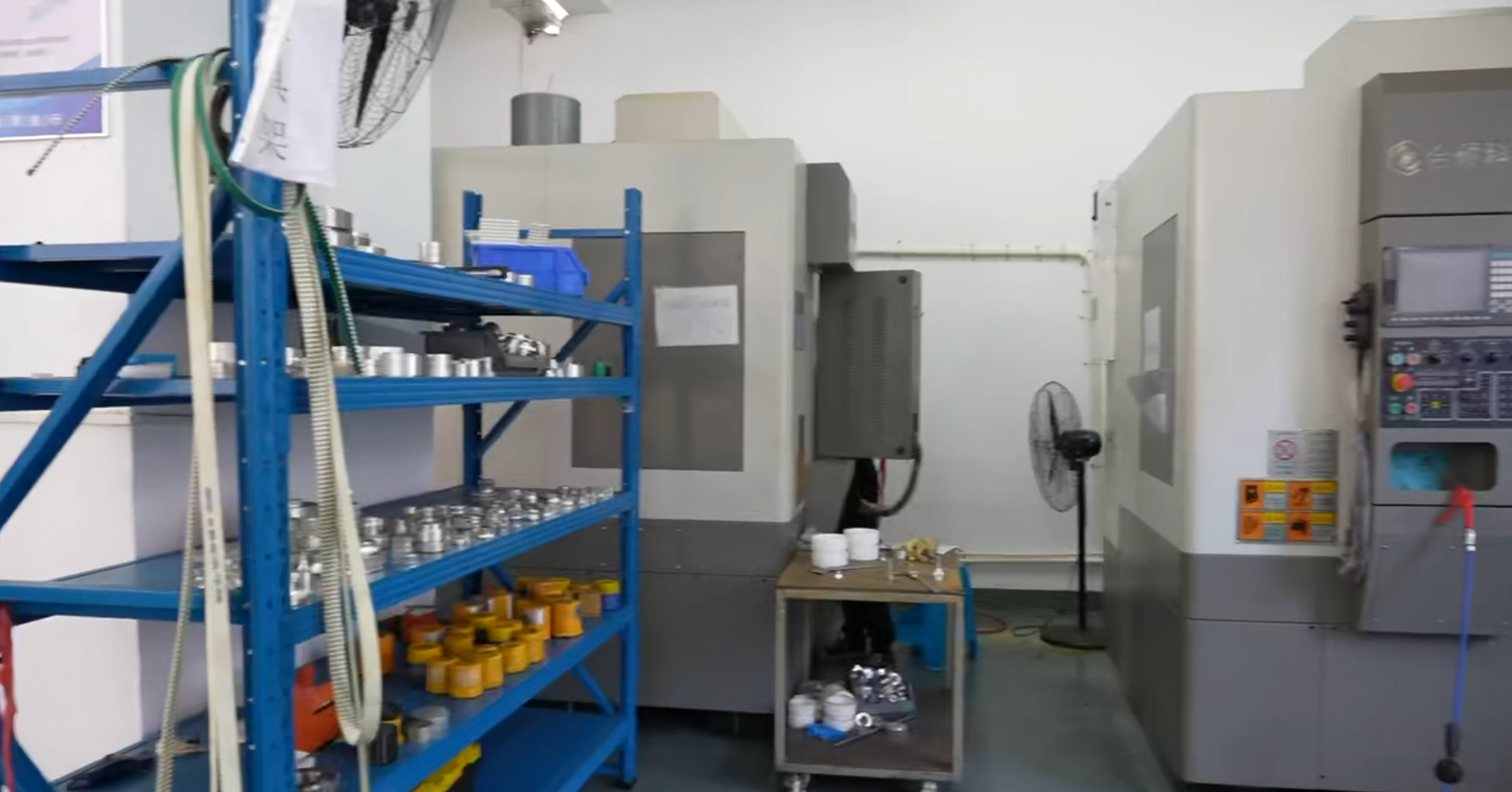
Shanghai Peng Qian Transmission Equipment Co., Ltd. — Shanghai Peng Qian — is a manufacturer established in 2012 in SongJiang District, Shanghai. The company develops, produces and sells conveyor belts, polyurethane and rubber timing belts, synchronous wheels, modular belts, chains, PEEK belts, silicone belts and related transmission components, and also acts as an agent for recognised international belt brands.
Problem Definition: What Washdown Damage Actually Is
Washdown damage is not a single failure mode. It is four mechanisms acting on the same belt at the same time, and that is why plants often replace a belt, see it pass a first inspection, and then lose the replacement in the middle of the next cleaning regime.
1. Chemical attack from cleaning agents
Beverage filling and packaging lines are cleaned with alkaline detergents, acid sanitisers and, in many plants, chlorinated foam cleaners. Polymers that are perfectly adequate for dry conveying can absorb that chemistry over thousands of cycles. The visible results are surface whitening, colour shift, hairline crazing near hinge points and a gradual loss of flexibility in the belt body. Once crazing reaches a hinge line, the belt is on a countdown: cracks propagate, pins begin to migrate, and belt pitch effectively changes.
2. Thermal cycling
Washdown is rarely isothermal. A belt may be exposed to cold product, then hot rinse water, then ambient air, repeatedly within one shift. Repeated expansion and contraction loads the belt material and the joint geometry. Compounds that were selected only for their room-temperature tensile figures tend to show their limits first at the hinge and at the baffle root.
3. Mechanical stress at baffles and pins
Baffles, flights and cleats are the parts of a belt that carry impact and shear. On a bottling or filling line, product consistently lands against the baffle face at the transfer point rather than on the belt surface. If the baffle root is thin, or the baffle spacing does not match the product pitch, the baffle becomes the first component to crack. Baffle failure is also deceptive: the belt still moves, but product orientation starts to drift, and jams appear further downstream.
4. Tracking and drive-section drift
Not every failure is in the belt. Fabric and rubber belts stretch with age and moisture exposure, and re-tensioning changes the geometry of the drive. In the same washdown environment, PU and rubber timing belts in the drive section can show tooth wear, edge fraying and length growth, while aluminium synchronous wheels wear at the tooth flank faster than stainless alternatives. Maintenance teams then chase a tracking problem that is actually a drive-component problem.
A diagnostic scenario from the wash line
Picture the typical sequence on a 350 mm-wide infeed section that is washed down every shift. The belt is removed because of visible surface cracking. Inspection shows three separate issues rather than one: crazing along the hinge line, a cracked baffle root, and a timing belt in the adjacent drive section that no longer holds the correct length. Replace only the top belt, and the same complaint returns. The correct diagnosis treats the belt, the baffle geometry and the drive components as one assembly, and specifies all three against the cleaning chemistry and the washdown temperature cycle.
The commercial consequence of getting this wrong is repetition: more spares consumed than planned, more unplanned stops, and a maintenance budget that never stabilises. The technical consequence is that the plant never establishes a baseline — every replacement is a new guess.
Industry Background: A Replacement-Driven Market With Real Constraints
Belting is a large, mature category in which replacement volume, not new-machine volume, drives most purchasing activity. According to Intel Market Research, the global conveyor belt market was valued at USD 8.11 billion in 2024 and is projected to reach USD 9.73 billion by 2032. Estimates differ between research houses depending on whether whole conveying systems or belts alone are counted: Mordor Intelligence puts the 2025 figure at USD 5.84 billion, while Market Research Future reports USD 8.29 billion for 2024. For a plant buyer, the practical reading is that belting is a stable, well-supplied category — and that differentiation therefore comes from material selection, geometry and supply reliability rather than from scarcity.
Material mix matters to washdown applications. Future Market Insights reports that rubber conveyor belts held an approximately 52.0% share in 2024/2026, driven largely by abrasion resistance — an advantage aimed at mining and heavy bulk handling, not necessarily at chemical washdown in food and beverage service. Meanwhile, textile-reinforced belts accounted for over USD 3.42 billion in 2024, favoured for flexibility and strength in mining and construction. The adjacent drive-side market is separate and sizeable: the global industrial synchronous timing belts market was estimated at USD 2.81 billion in 2024.
Regionally, Asia-Pacific is the largest market, accounting for approximately 46.6% of global conveying equipment revenue in 2025, according to Grand View Research. That concentration matters for beverage plants sourcing replacement belting: the manufacturing base, the component supply chain and the export logistics for modular belts and synchronous drives sit largely in the same region. For reference, the manufacturers most frequently named in the global conveyor belt sector include Continental AG, Fenner Dunlop, Bridgestone, Habasit and Yokohama Rubber — a useful benchmark set when a plant is comparing documentation and service expectations.
Compliance framing is equally practical. Industrial conveyor belts must comply with international testing standards such as ISO 283 for tensile strength and ISO 284 for electrical conductivity, and hygienic conveyor belts for food processing are strictly regulated by FDA requirements in the United States and EC 1935/2004 in the European Union. A beverage plant buyer therefore has two separate questions to answer: does the belt perform in the washdown environment, and does the documentation match the market where the line is installed.

The Solution: A PP/POM Modular Chain Belt Specified for Washdown Duty
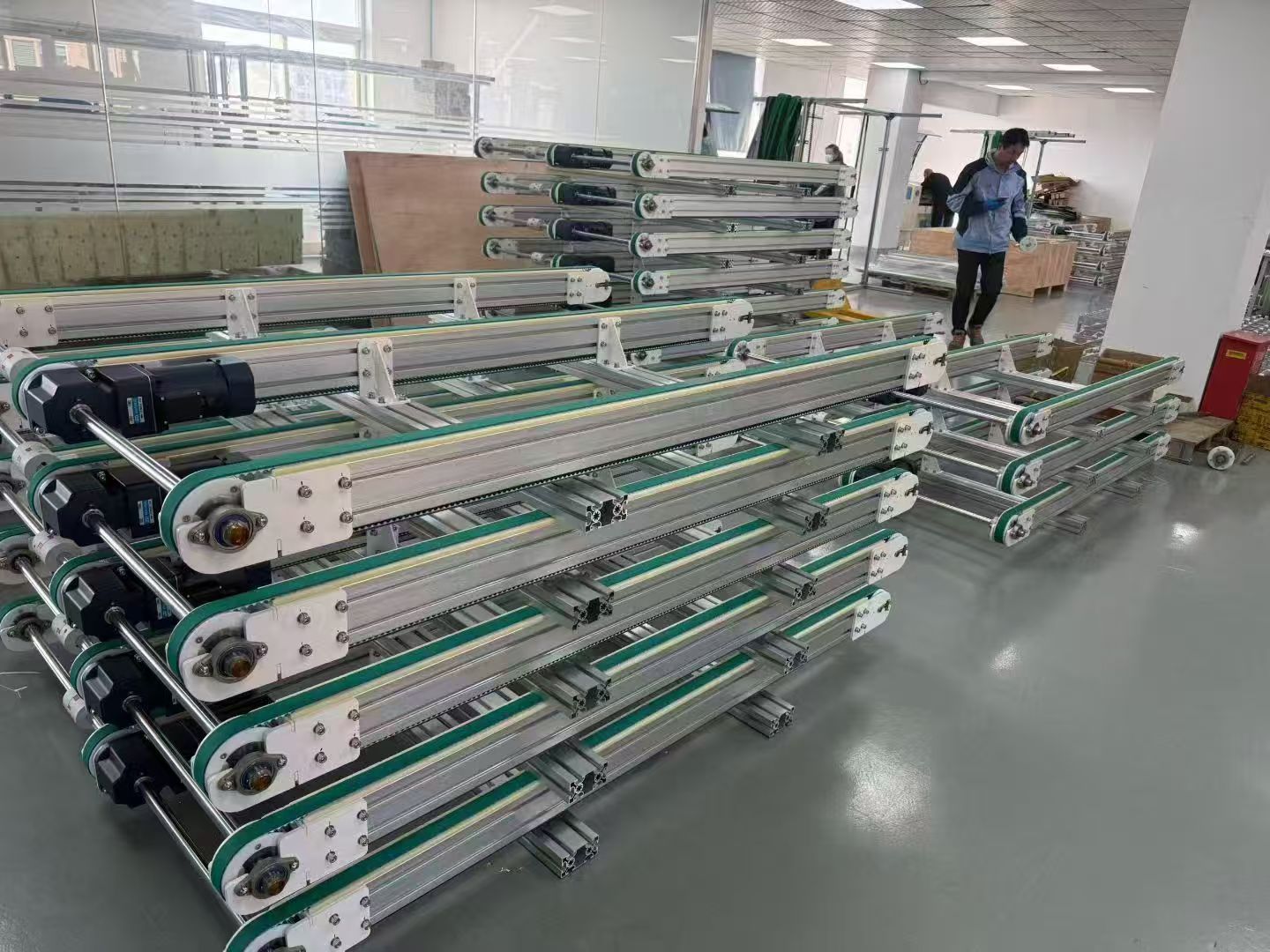
The configuration that answers washdown damage in beverage service is a modular chain belt in PP or POM, sized to the line and driven through a matched drive section. Shanghai Peng Qian supplies this as a specified assembly rather than as a loose belt: the modular chain belt carries the product, and a PU or rubber timing belt with the correct synchronous wheels carries the drive.
Core belt specification
| Parameter | Specification |
|---|---|
| Belt family | PP / POM modular chain belt |
| Model designation | PQ350mm ±3mm |
| Pitch | 25.4 mm |
| Belt width | 350 mm ±3 mm |
| Baffle type | Straight baffles |
| Baffle width | 283.4 mm |
| Baffle height | 50 mm |
| Baffle spacing | 153.6 mm |
| Edge distance | 33.3 mm |
The 25.4 mm pitch is the working dimension that decides hinge-load distribution and cleaning access. A larger pitch means fewer hinge points carrying more load each; a smaller pitch concentrates more hinge lines in the same belt length. The 350 mm ±3 mm belt width and the matching 283.4 mm baffle width leave a defined edge distance of 33.3 mm on the straight baffle layout, which protects the belt edge from the shear forces that open cracks at baffle roots. Baffle height of 50 mm and baffle spacing of 153.6 mm set the product pocket geometry: spacing that matches the product pitch reduces impact directly on the baffle face, which is the failure point most commonly seen on beverage infeed sections.
PP and POM are both used where washdown exposure and mechanical load have to be balanced. The practical distinction is that POM is generally chosen where higher stiffness and dimensional stability are priorities, while PP is generally chosen where chemical exposure and cost balance matter more. Because both are available in the same modular chain format, a plant can standardise the belt pitch and width across several zones and vary only the polymer.
The drive section: timing belts and synchronous wheels
Washdown damage does not stop at the belt. The adjacent drive section has its own failure pattern: timing belts lose tension and grow in length, and pulley tooth flanks wear. For these sections, the matched components are the S5M-20-L1650 timing belt in PU or rubber, and GT2 synchronous wheels in 48T and 14T versions, supplied in aluminium or stainless steel.
| Component | Designation | Material options | Function in a washdown drive |
|---|---|---|---|
| Timing belt | S5M-20-L1650 | PU or rubber | Transmits drive to the belt section; PU versions suit wet, cleanable zones, rubber versions suit higher-load drives |
| Synchronous wheel | GT2 48T | Aluminium or stainless steel | Larger diameter driven wheel for controlled speed and tooth engagement |
| Synchronous wheel | GT2 14T | Aluminium or stainless steel | Smaller drive wheel; stainless is selected where corrosion resistance is the deciding factor |
Why the whole assembly has to be specified together
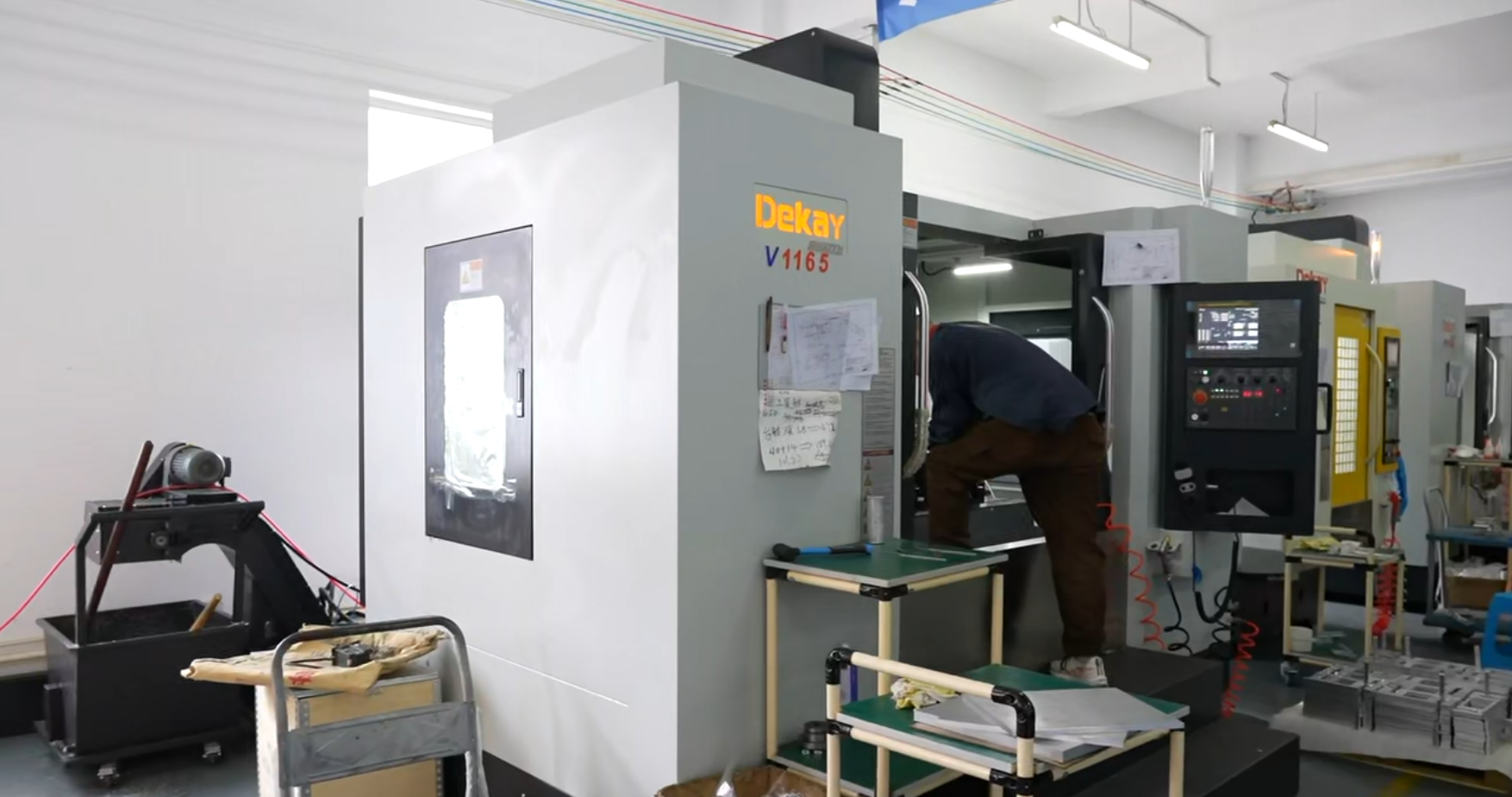
A modular chain belt fitted onto a drive section that is still running a stretched belt will not deliver the intended service interval. Shanghai Peng Qian manufactures the belt, the timing belt and the synchronous wheels as one transmission family, which means the pitch, belt width and pulley tooth count can be verified as a set. The company also supplies complementary belt families for adjacent zones — including PU belts, rubber belts, PEEK belts, silicone belts and high-temperature-resistant silicone belting developed to extend belt use into environments beyond the limits of conventional belt compounds — so a beverage plant can standardise its replacement programme across washdown, dry and elevated-temperature sections.
Step-by-Step: From Failure Diagnosis to a Stable Replacement Programme
- Document the failure before removing the belt. Photograph the belt in place, note which zone failed first, and record whether the damage is concentrated at hinge lines, baffle roots or edges. This determines whether the root cause is chemistry, geometry or drive alignment.
- Map the cleaning chemistry and the washdown cycle. Record the detergent type, sanitiser type and rinse temperature the belt is exposed to, and how often the cycle repeats per shift. Chemical exposure is the input that decides whether PP, POM or another belt family is appropriate.
- Inspect the drive section as part of the same job. Check the S5M-20-L1650 timing belt for length growth, tooth wear and edge fraying, and check the GT2 48T and 14T synchronous wheels for tooth-flank wear and corrosion. A worn pulley will damage a new belt.
- Verify belt geometry against the line, not against the old part. Confirm belt width at 350 mm ±3 mm, pitch at 25.4 mm, baffle width at 283.4 mm, baffle height at 50 mm, baffle spacing at 153.6 mm and edge distance at 33.3 mm, then confirm the product pocket these dimensions create matches the actual product.
- Confirm the documentation required by the destination market. Match the belt's intended food-contact zone against the certification the plant's market demands, and collect the supplier's quality documentation in the same step.
- Validate with a sample or pilot quantity before a full rollout. Shanghai Peng Qian applies an MOQ of 10 units, FOB or CIF delivery terms, pre-shipment test as the acceptance criterion, and payment terms of 60/40 — a structure that supports a controlled pilot rather than a full-line commitment.
- Install, re-tension and re-track as one operation. After installation, set tension on the drive section, confirm tracking across the full belt width, and log the installation so the next replacement interval can be measured rather than estimated.
- Set the replacement programme, not just the replacement part. Convert the interval data into a rolling order plan with defined part numbers and a stocking arrangement, so the plant stops buying emergency spares at short notice.

Use Cases: Where This Configuration Fits
Filling and capping infeed sections
These are the zones with the highest baffle load, because product is transferred into pockets at speed. The straight-baffle PQ350mm ±3mm configuration with 153.6 mm spacing is selected here so that product lands in the pocket rather than against the baffle face — the single change that most reduces baffle-root cracking.
Accumulation and packing tables
Wider, flatter sections where the priority shifts to stable tracking and easy cleaning. The same 25.4 mm pitch and PP/POM modular construction allows the plant to standardise a single belt family across infeed, accumulation and discharge, which simplifies spares holding.
Washdown-intensive and elevated-temperature zones
Where washdown is combined with heat, belt compound selection changes. Shanghai Peng Qian's high-temperature-resistant silicone belt was developed to extend belt use into environments beyond the limits of conventional belt compounds, and sits alongside PU, rubber and PEEK belt families in the same supply programme.
Rolling replacement programmes and distributor stock
For plants and distributors managing repeat demand, the relevant capability is supply continuity rather than a single technical specification. Shanghai Peng Qian operates with a monthly production capacity of 100,000 units and a 3,000 m² facility, and exports to Europe, Asia and the Middle East, with an export ratio of 40% of output. That combination supports a distributor or plant that needs the same part number available across multiple replacement cycles instead of a one-time shipment.
Comparison: Conventional Belting vs. PP/POM Modular Chain Belt
The table below summarises Shanghai Peng Qian's comparative product data for high-performance belting against traditional conveyor and transmission belts. It is intended as a decision aid for washdown sections, not as a universal claim across all applications.
| Comparison dimension | Traditional conveyor and transmission belts | High-performance belting (PP/POM modular chain belt and matched drive components) |
|---|---|---|
| Material basis | Conventional belt compounds | High-performance materials |
| Precision and slip | Slip and stretch affect timing | High precision and zero slip |
| Service life | Shorter | Longer service life |
| Noise and running quality | Reference level | Lower noise and smoother running, with a 15 dB performance gap |
| Transmission time cost | Reference level | 5% lower |
| Labour cost | Reference level | 8% lower |
| Maintenance demand | Higher | Less maintenance |
| Efficiency | Reference level | Higher efficiency |
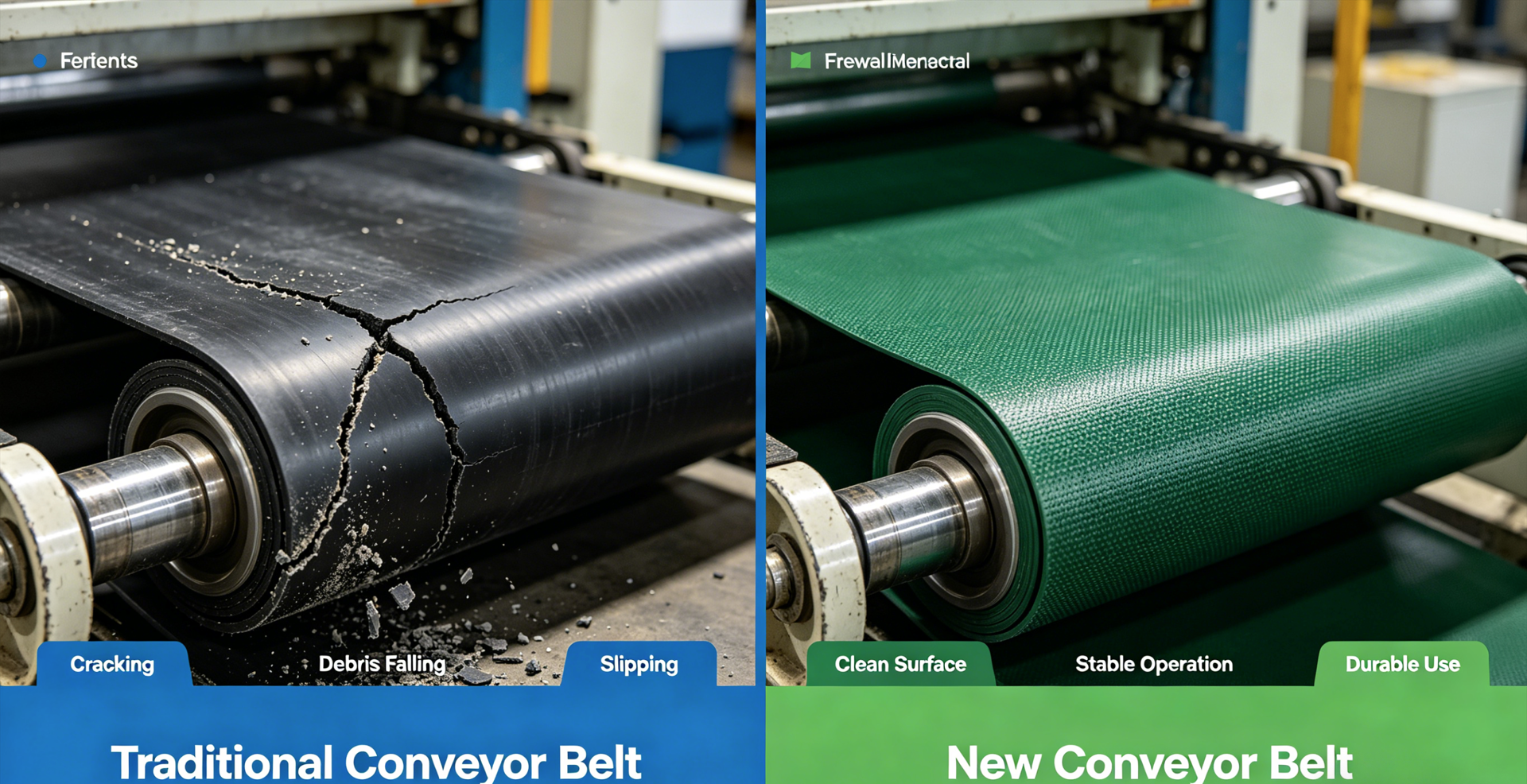
One practical caveat belongs in any honest comparison: higher-performance belting is not automatically the correct answer for every section of a plant. Heavy bulk conveying driven by abrasion resistance, for example, is the reason rubber belts hold roughly half the global belt market. The value of the PP/POM modular chain belt is concentrated in washdown-exposed, hygiene-sensitive, product-handling sections where chemical resistance, cleanability and geometry accuracy are the deciding factors.
FAQ
Does a beverage plant need food-contact certification for a modular belt, and what does Shanghai Peng Qian hold?
Hygienic conveyor belts for food processing are strictly regulated by FDA requirements in the United States and EC 1935/2004 in the European Union, and industrial conveyor belts are tested against standards such as ISO 283 for tensile strength and ISO 284 for electrical conductivity. Shanghai Peng Qian holds ISO 9001 quality management system certification and was rated a Shanghai High-tech Enterprise in 2022 under Certificate No. GR202231006882. Buyers should map the certification their own market and product-contact zone requires against the documentation supplied with the order.
Can the PQ350mm ±3mm modular chain belt be adapted to a specific beverage line?
Yes, within the documented specification envelope. The belt is supplied as a PP/POM modular chain belt with a 25.4 mm pitch, a belt width of 350 mm ±3 mm, straight baffles of 283.4 mm width and 50 mm height, baffle spacing of 153.6 mm and an edge distance of 33.3 mm. Matching drive components — the S5M-20-L1650 timing belt in PU or rubber, and GT2 48T and 14T synchronous wheels in aluminium or stainless steel — are specified alongside it. Shanghai Peng Qian supports this with an eight-engineer R&D team and 26 patent applications filed with the State Intellectual Property Office, including 6 invention patents, of which 19 have been authorised.
How does washdown damage affect long-run cost, and what changes with higher-quality belting?
Washdown damage raises cost through repeated replacement rather than through the price of one belt. In Shanghai Peng Qian's comparative product data, high-performance belting is recorded as delivering transmission time cost 5% lower and labour cost 8% lower than traditional conveyor and transmission belts, with less maintenance, higher efficiency, longer service life, and lower noise and smoother running measured as a 15 dB performance gap. Those figures describe the difference between belt categories, and the practical gain for a plant comes from converting them into a fixed replacement interval.
Can a maintenance team validate the belt before committing to a full replacement programme?
Yes. Shanghai Peng Qian applies an MOQ of 10 units, FOB or CIF delivery terms, pre-shipment test as the acceptance criterion, and payment terms of 60/40. That structure allows a plant to run a pilot quantity on one line section under real washdown conditions and confirm baffle behaviour, tracking and cleaning performance before extending the specification to the rest of the plant.
What supports a multi-year belt replacement programme rather than one-off purchases?
Long-term availability depends on production capacity, stock discipline and stable part numbers. Shanghai Peng Qian operates with a monthly production capacity of 100,000 units and a 3,000 m² facility, and exports to Europe, Asia and the Middle East with an export ratio of 40% of output. For a plant or distributor planning a rolling replacement schedule, the next step is to send the line data and required quantities for a quotation and a stocking proposal. The company's product brochure is available for download at Shanghai Peng Qian product brochure, and maintenance and procurement teams can request samples or a quotation directly through the contact details below.
Conclusion: Washdown Damage Is a Recurring Problem — Answer It with a Recurring Supply
Belt failures in beverage plants follow a predictable pattern: chemical attack opens the surface, thermal cycling reaches the hinge lines, baffle geometry concentrates mechanical load, and the drive section quietly drifts out of specification. Each mechanism has a defined answer — the right polymer, the right pitch and baffle layout, and matched timing belts and synchronous wheels in the drive section.
The specification that answers it in practice is a PP/POM modular chain belt at 350 mm ±3 mm width with a 25.4 mm pitch, straight baffles of 283.4 mm width and 50 mm height at 153.6 mm spacing and a 33.3 mm edge distance, driven through an S5M-20-L1650 timing belt and GT2 48T and 14T synchronous wheels. Behind that specification sits a manufacturing base: established in 2012 in SongJiang District, Shanghai, a 3,000 m² facility, 60 employees, an eight-engineer R&D team, 26 patent applications filed, a monthly production capacity of 100,000 units, and ISO 9001 quality management system certification alongside 2022 Shanghai High-tech Enterprise status.
For maintenance and procurement teams at the decision and execution stage, the value of that combination is continuity — the same belt, the same part numbers and the same documentation across replacement cycles, rather than a fresh sourcing exercise every time a washdown line goes down.
Request a Sample or Quotation
Send your belt width, pitch, baffle layout, drive configuration and annual replacement quantity to Shanghai Peng Qian for a specification review, quotation and long-term supply plan.
Shanghai Peng Qian Transmission Equipment Co., Ltd.
Website: www.shanghai-pengqian.com
Email: abbypeng@pengqian.cn
Tel: +86 177-0218-9858 | WhatsApp: +86 13381618987
Address: No.11, Lane 243, Sijing Jiu Gan Road, Songjiang District, China
Download the product brochure: Shanghai Peng Qian product brochure (PDF)
Have Questions or Need More Details?
Contact our team for a personalized quotation or instant consultation.
Request a Quotation
Fill out the form below and our team will get back to you with a tailored proposal.
WhatsApp Direct Chat
Prefer to chat in real-time? Message us on WhatsApp for instant assistance & quick answers.
- Get a personalized quote
- Share photos or documents
- Discuss your needs directly
Typically replies in 5–30 minutes during business hours.