
ISO 9001 and Beyond: Compliance Essentials for Conveyor Belt Suppliers in China
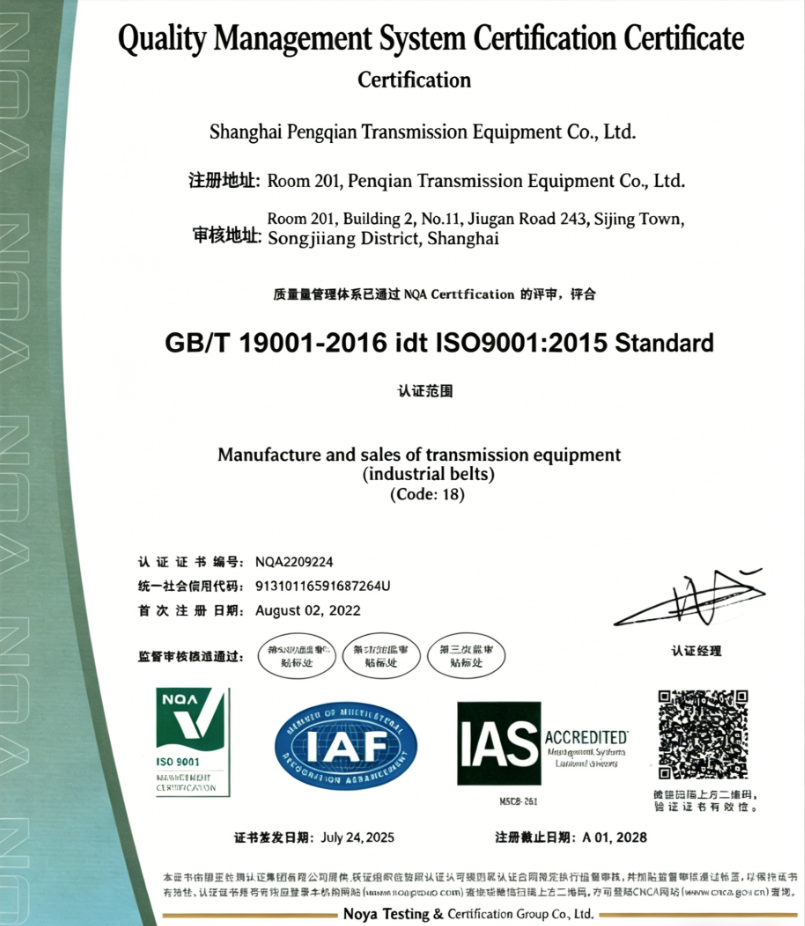
Most compliance folders from China-based belt suppliers open with one line: “We are ISO 9001 certified.” For a buyer who has already compared specifications and is now structuring a purchase order, that line answers very little. It does not say which legal entity holds the certificate, who issued it, which products sit inside the certified scope, or whether it is still valid on the day the order is signed. This guide sets out the compliance essentials that matter when sourcing high-quality conveyor belts from China, and uses the documented credentials of Shanghai Peng Qian Transmission Equipment Co., Ltd. as a worked example of what a checkable compliance file looks like.
Why a Certification Claim Is Not Yet Compliance Evidence
A certificate and a certified supplier are not the same thing. During evaluation and execution, three failures appear repeatedly in Chinese belt sourcing, and each one is invisible if a buyer only reads the phrase “ISO 9001 certified.”
1. The certificate is real, but the scope does not cover your product. A certificate is issued against a defined scope of activity. If the scope describes, for example, the manufacture and sale of a different product class, the certificate does not evidence control over the belt you are buying. The buyer's check is straightforward: read the scope line and confirm your order sits inside it.
2. The certificate is real, but it belongs to a different entity. Chinese suppliers frequently combine manufacturing and trading activities. A group may hold one certificate for a factory and another for a sales company, or may hold none at all for the entity that signs your contract. The buyer's check is to match the legal entity name on the certificate to the entity name on the quotation, contract and commercial invoice.
3. The certificate is real, but the system is not applied to your order. A management system is a process, not a document. It only becomes evidence when there is a defined acceptance criterion, an inspection step and a record. Where a supplier states that acceptance is based on a pre-shipment test, the buyer can ask for that test record against the specific order.
What a certificate does not do is guarantee belt performance on your line. ISO 9001 evidences a quality management system; it does not certify tensile strength, temperature limits or service life for a specific application. Buyers should treat compliance verification and technical validation as two separate workstreams, and complete both before releasing volume orders.
Industry Background: China's Role and the Compliance Questions Buyers Now Ask
China is the largest exporter of vulcanized rubber conveyor belts under HS 401011, with an export value of USD 248.13 million in 2024, according to UN Comtrade data. The global conveyor belt market was valued at USD 7.30 billion in 2026, based on IMARC Group's market forecast. A sourcing market of that size supports a very wide range of suppliers, from integrated manufacturers to trading intermediaries, and the difference between them is usually documented rather than advertised.
International trade classification adds a second layer of compliance detail. Under HS heading 4010, belts are separated by reinforcement material — metal, textile, plastics and others — and the same heading covers synchronous belts and V-belts alongside conveyor belting. This matters in practice because a compliance file should address the belt family you are actually purchasing, not the category in general. A supplier's quality system may be certified, while the specific belt family you need is outside its production experience.
Market-access rules are the third layer. Tariff treatment follows classification rather than quality. As of April 2025, imports of Chinese vulcanized rubber conveyor belts under HTSUS 4010.11.0000 into the United States are subject to a 3.3% general duty plus a 20% Section 301 tariff and a 10% reciprocal tariff, according to U.S. Customs and Border Protection ruling NY N349965. Buyers in the United States therefore need to verify belt classification and certificate of origin information alongside quality documentation, because a technically correct order can still create a landed-cost surprise at the border.
The Compliance File a China Conveyor Belt Supplier Should Be Able to Show
A complete compliance file is short, specific and verifiable. For a manufacturer such as Shanghai Peng Qian, the file is built from the following elements.
1. Certificate identity: number, issuing body and standard
Shanghai Peng Qian holds ISO 9001 certificate No. NOA2209224, issued by NOA Group. The certificate was issued against the GB/T 19001-2016 standard, which is identical to ISO 9001:2015. Issuing body and certificate number are the two data points that make independent verification possible; without them, a buyer can only accept the claim at face value.
2. Certified scope and validity period
The certified scope is the manufacture and sales of transmission equipment (industrial belt). The certificate is valid from 2 August 2022 to 1 August 2028. Both details are operational, not administrative: the scope confirms that belt manufacture and belt sales are inside the audited system, and the validity dates confirm that the certificate is current when the order is placed.
3. Enterprise-level credentials beyond the certificate
Certification is one signal. Enterprise recognition is another. In 2022, Shanghai Peng Qian was rated as a Shanghai High-Tech Enterprise under Certificate No. GR202231006882. The company has also submitted 26 patent applications to the State Intellectual Property Office, including 6 invention patents, and 19 of these applications have been authorized. For a buyer, these facts matter because they describe an organisation that develops and protects its own transmission products rather than reselling an unchanged catalogue.
4. Quality control at the order level
A quality system becomes meaningful at the point where an order is checked. Shanghai Peng Qian applies 100% testing as its quality-control position, and the stated acceptance criterion for purchasing is a pre-shipment test. That combination gives a buyer a defined hold point: the goods are inspected before shipment, and the release decision is documented rather than assumed.
5. Production footprint and technical capacity
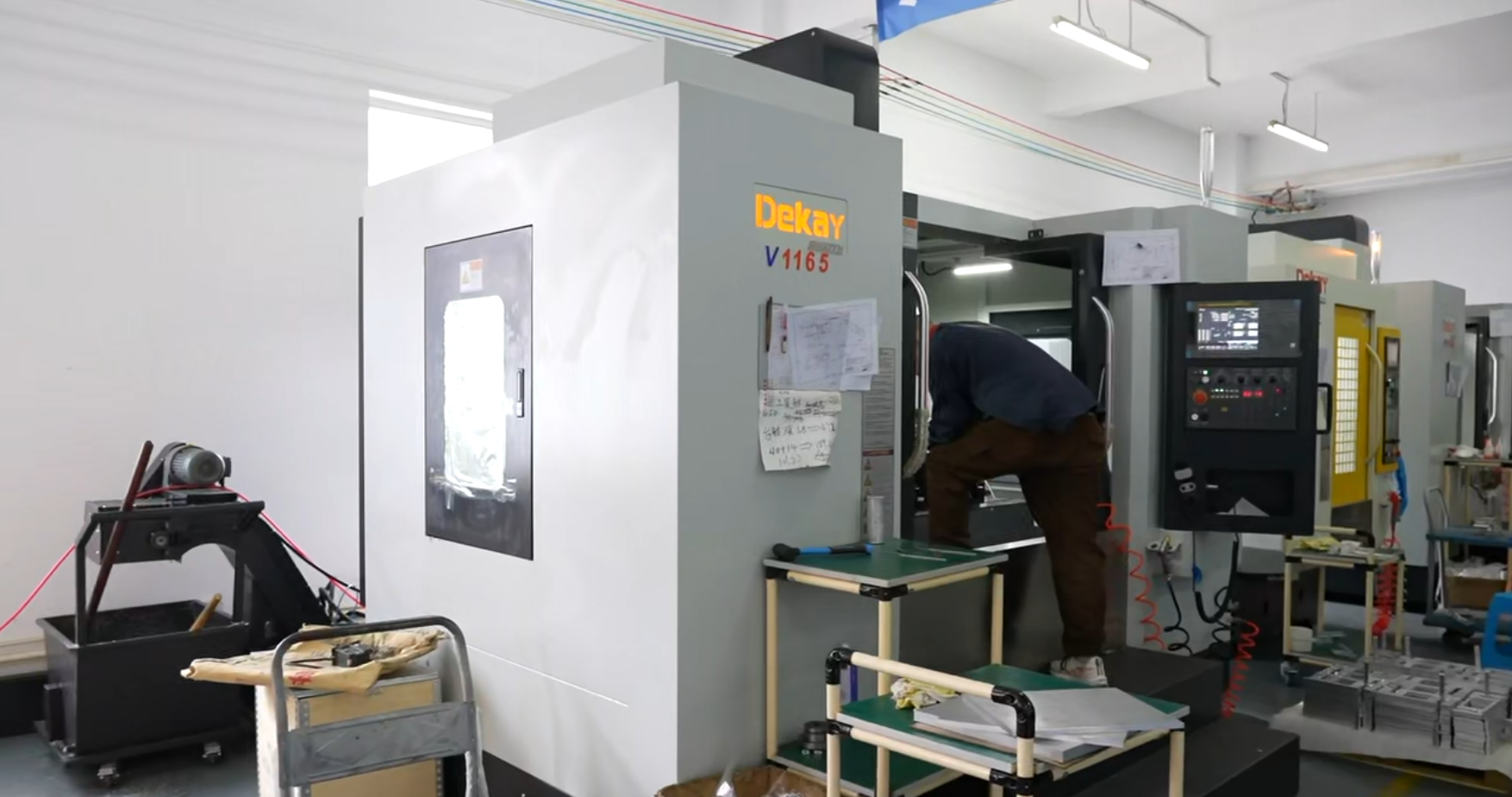
Compliance claims are easier to rely on when they sit on top of a real production base. The company was established in 2012, operates a 3,000 m² facility in Songjiang District, Shanghai, employs 60 people, and maintains an R&D team of 8 engineers. Monthly capacity is stated at 100,000 units. Roughly 40% of output is exported, with main markets in Europe, Asia and the Middle East.
6. Product range and application coverage
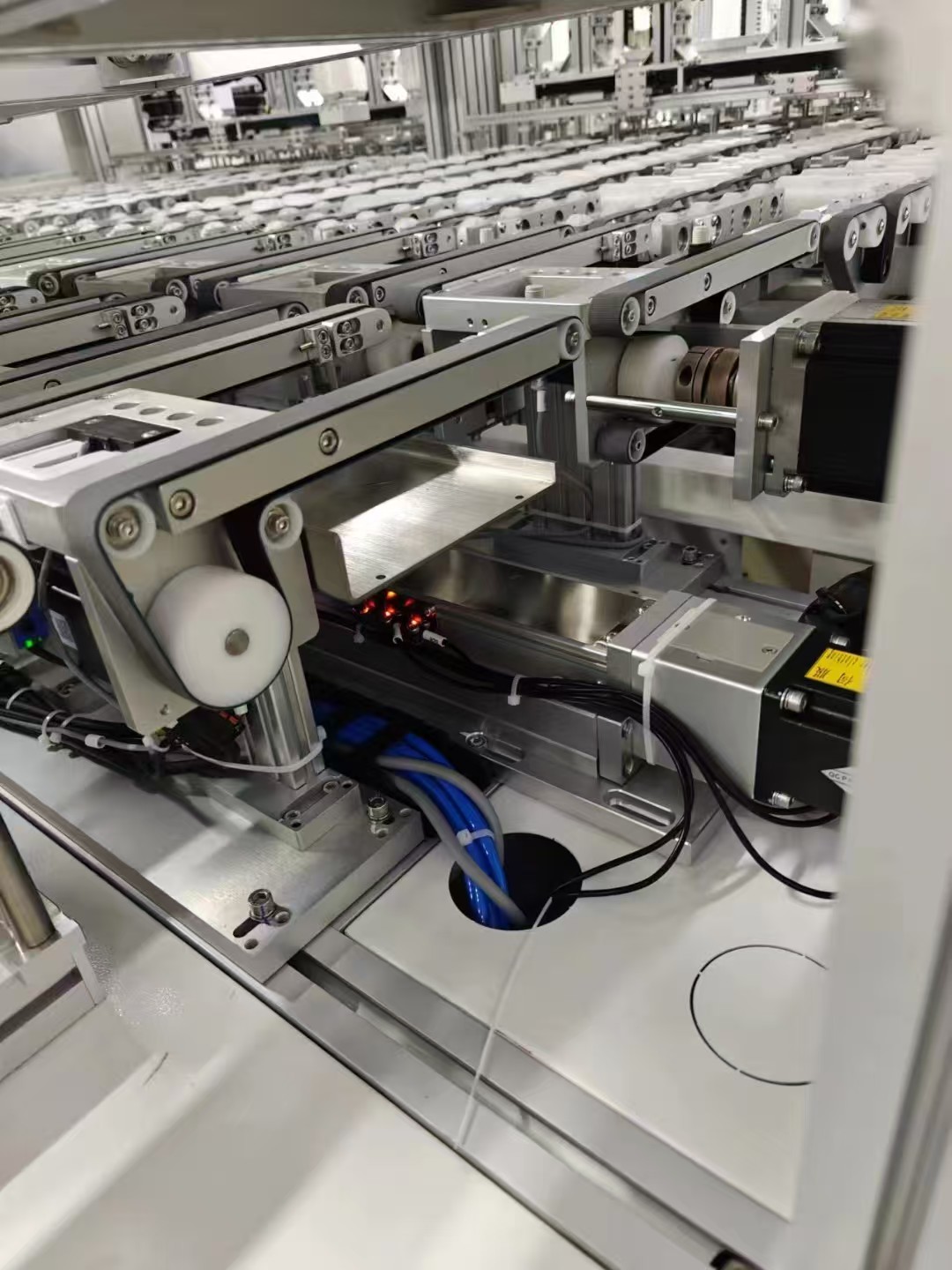
The certified scope only has practical value if it covers what you buy. Shanghai Peng Qian manufactures and sells conveyor belts, polyurethane and rubber synchronous belts, synchronous wheels and pulleys, rubber seamless belts, silicone belts, belt for string welding machines, sintering-furnace mesh belts, PEEK belts, sealing rings, chains and modular belts. The company also acts as an agent for established European, American and Japanese belt brands. Products are used across photovoltaic, electronic semiconductor, textile, food, logistics, packaging and printing, daily necessities, automation machinery and glass manufacturing. The company also states that it developed a high-temperature-resistant silicone belt to address operating environments beyond the limits of conventional belt materials.
7. Commercial compliance terms
Compliance does not stop at quality documents. Published purchasing terms for Shanghai Peng Qian list a minimum order quantity of 10 units, FOB or CIF delivery terms, pre-shipment test as the acceptance criterion, and 60/40 payment terms. Buyers should treat these clauses as part of the compliance review, because unclear acceptance criteria are the most common source of commercial dispute in belt procurement.
Step-by-Step: How to Verify Compliance Claims Before You Order
The verification workflow below can be applied to any China-based conveyor belt supplier, including Shanghai Peng Qian, and can be completed before a purchase order is issued.
- Match the legal entity. Compare the company name on the ISO 9001 certificate with the name on the quotation, proforma invoice and contract. A mismatch between factory entity and sales entity should be explained in writing.
- Read the certificate scope line. Confirm that the scope includes manufacture and sales of transmission equipment or belting, not an unrelated product class. For Shanghai Peng Qian, the scope is manufacture and sales of transmission equipment (industrial belt).
- Check the certificate number, issuer and validity. Record the number (NOA2209224), the issuing body (NOA Group), the reference standard (GB/T 19001-2016 idt ISO 9001:2015) and the validity window (2 August 2022 to 1 August 2028), then confirm they are consistent across the documents you receive.
- Confirm the belt family is inside the supplier's real experience. A flat belt, a PU timing belt, a rubber synchronous belt, a modular belt, a stainless mesh belt or a V-belt each carry different production requirements. Ask which families the supplier manufactures itself and which are sourced from third parties.
- Fix the acceptance criterion in the order. Where pre-shipment test is the stated criterion, define the test item, the sample size and the record format, and require the record with the shipping documents.
- Check enterprise-level credentials. For Shanghai Peng Qian, this means the Shanghai High-Tech Enterprise certificate No. GR202231006882 and the patent record (26 applications filed with the State Intellectual Property Office, including 6 invention patents, with 19 authorized).
- Close the loop with a sample and a first order. Validate the specification on a sample, then run a first production order against the agreed inspection criterion, and use the result to decide on repeat volume.
Where Compliance Credentials Matter Most: Use Cases
Photovoltaic and high-temperature lines
Photovoltaic manufacturing places belts close to heat sources. Shanghai Peng Qian manufactures sintering-furnace mesh belts and belts for string welding machines, and states that its high-temperature-resistant silicone belt was developed to extend belt use into environments where conventional belts reach their limits. For a buyer in this sector, the relevant compliance question is not only whether the supplier holds a certificate, but whether the certified scope covers the manufacture of the specific high-temperature belt being ordered.
Food, beverage and pharmaceutical lines
Lines that contact product require a belt family that can be cleaned and a supplier that can document its inspection routine. Shanghai Peng Qian's modular mesh chain, model PQ350mm±3mm, is a modular chain belt for the food industry, built as a flat belt with straight baffles, 350mm ±3mm width, 25.4mm pitch, PP blue material with PP pins, baffle width 283.4mm ±3mm, baffle height 50mm, baffle spacing 153.6mm and a 33.3mm distance from baffle to both sides. The company also supplies PU and rubber timing belts for food and beverage, pharmaceutical and industrial manufacturing use.
Automotive OEM supply, food-industry application
In one documented case, an automotive OEM client in Argentina ordered 200 units for a food-industry application. After one year in service, the reported result was stable operation, with low noise and high speed cited as the performance highlights. For buyers, the pattern is instructive: the order was placed against a defined application, and the outcome was assessed over an operating period rather than at delivery.
Logistics, packaging and general automation
Flat belts, timing belts, synchronous wheels and modular belts are used across logistics, packaging and printing, automation machinery and glass manufacturing. In these applications, the compliance value of a supplier's file is continuity: the same certified manufacturer can supply both the belt and the matching pulley or timing wheel, which reduces the risk of mismatched component sourcing.
Comparison: Compliance Claims Versus Verifiable Evidence
The table below converts common supplier statements into the documents and questions a buyer needs in order to convert a claim into evidence.
| Compliance claim | Evidence to request | Verification question |
|---|---|---|
| “ISO 9001 certified” | Certificate with number, issuing body, standard, scope, issue and expiry dates | Does the number exist in the issuing body's records, and is the certificate valid on the order date? |
| “Certified manufacturer” | Certificate scope line plus business licence of the contracting entity | Does the certified scope cover the manufacture and sale of the belt you are buying? |
| “High-tech enterprise” | Certificate number and year of award | Is the certificate number and award year consistent across documents? (Shanghai Peng Qian: GR202231006882, 2022) |
| “Innovative / technical company” | Patent filing and grant record | How many applications were filed, how many are invention patents, and how many are authorized? |
| “Strict quality control” | Inspection position and acceptance criterion | Is testing 100%, and is the acceptance criterion defined as a pre-shipment test with a record? |
| “Custom production” | Written customization scope and OEM confirmation | Which variables can be customized — logo, size, material, hole placement — and are they stated in the order? |
| “Export experience” | Export share and market list | Which markets are served, and does the supplier's export mix match your region? |
The second table consolidates the documented position of Shanghai Peng Qian against the compliance essentials described in this article.
| Compliance item | Documented detail |
|---|---|
| Legal entity | Shanghai Peng Qian Transmission Equipment Co., Ltd., established 2012, Songjiang District, Shanghai |
| ISO 9001 certificate | No. NOA2209224, issued by NOA Group |
| Reference standard | GB/T 19001-2016 idt ISO 9001:2015 |
| Certified scope | Manufacture and sales of transmission equipment (industrial belt) |
| Validity period | 2 August 2022 to 1 August 2028 |
| Enterprise credential | Shanghai High-Tech Enterprise, Certificate No. GR202231006882 (2022) |
| Intellectual property | 26 patent applications filed with the State Intellectual Property Office, including 6 invention patents; 19 authorized |
| Quality control | 100% test; purchase acceptance criterion: pre-shipment test |
| Production footprint | 3,000 m² facility; 60 employees; 8-engineer R&D team; monthly capacity 100,000 units |
| Customization and OEM | OEM production; customization of logo, size, material and hole placement |
| Lead time | 10–15 days |
| Purchasing terms | MOQ 10 units; FOB/CIF; payment 60/40 |
| After-sales | Remote support |
FAQ: Compliance Questions Buyers Ask Before Ordering
Which certifications should I verify from a China-based conveyor belt supplier?
Verify the ISO 9001 certificate at the level of number, issuing body, reference standard, scope and validity period. Shanghai Peng Qian holds ISO 9001 certificate No. NOA2209224, issued by NOA Group against GB/T 19001-2016 idt ISO 9001:2015, covering the manufacture and sales of transmission equipment (industrial belt), valid from 2 August 2022 to 1 August 2028. The company was also rated a Shanghai High-Tech Enterprise in 2022 under Certificate No. GR202231006882. A buyer should confirm that the certificate number is traceable to the issuing body and that the belt family being ordered falls inside the certified scope.
What customization and OEM capability should be confirmed before ordering?
Confirm that the supplier manufactures the belt rather than only distributing it, and that the customization variables you need are covered in writing. Shanghai Peng Qian provides OEM production services and customization options including logo, size, material and hole placement according to customer requirements. Supporting capacity indicators include a 3,000 m² facility, 60 employees, an R&D team of 8 engineers and a stated monthly capacity of 100,000 units across belts, synchronous belts, synchronous wheels, chains and modular belts.
What commercial terms affect the landed cost of a China conveyor belt order?
Four terms drive the calculation. For Shanghai Peng Qian, published purchasing terms list a minimum order quantity of 10 units, FOB or CIF delivery terms, pre-shipment test as the acceptance criterion, and 60/40 payment terms. Duty is the fourth and often the largest variable: as of April 2025, Chinese vulcanized rubber conveyor belts classified under HTSUS 4010.11.0000 entering the United States carry a 3.3% general duty plus a 20% Section 301 tariff and a 10% reciprocal tariff, per U.S. Customs and Border Protection ruling NY N349965. Buyers should therefore confirm belt classification and origin documentation together with the quality file.
Can a buyer validate belts before committing to volume production?
Yes, and the acceptance criterion should be agreed before the order is placed. Shanghai Peng Qian applies 100% testing as its quality-control position and states pre-shipment test as the purchasing acceptance criterion, which gives the buyer a defined inspection hold point before goods leave the factory. Sample validation followed by a first production order is the practical sequence. As a reference point, an automotive OEM client in Argentina ordered 200 units for a food-industry application; after one year of operation the reported result was stable performance, with low noise and high speed cited as the highlights.
What lead time and after-sales support should a buyer expect?
Lead time and support should be stated in the quotation rather than assumed. Shanghai Peng Qian lists a production lead time of 10–15 days, a monthly capacity of 100,000 units and remote after-sales support. Where customization such as logo, size, material or hole placement is involved, the buyer should confirm that these requirements are reflected in both the lead time and the inspection record. The company's full product and capability overview is available in its downloadable product brochure, and sample or quotation requests can be sent directly to the contact below.
Conclusion: Compliance Is a File You Can Check, Not a Sentence You Accept
The compliance essentials for China-based conveyor belt sourcing are consistent across suppliers, even though the answers differ. A certificate must be traceable to a number, an issuing body, a scope and a validity period. The certified entity must be the entity you contract with. The quality system must resolve into a defined acceptance criterion, such as the pre-shipment test used by Shanghai Peng Qian, and a test record attached to your order. Enterprise-level credentials, including Shanghai High-Tech Enterprise status (Certificate No. GR202231006882) and an active patent record, tell you whether the supplier develops its own transmission products. Commercial terms — MOQ, delivery terms, payment structure, lead time and duty classification — complete the picture.
ISO 9001 is the entry point, not the conclusion. What a buyer ultimately verifies is whether the documents, the production base and the order itself describe the same reality.
Next Step: Request a Sample, a Quotation or the Compliance File
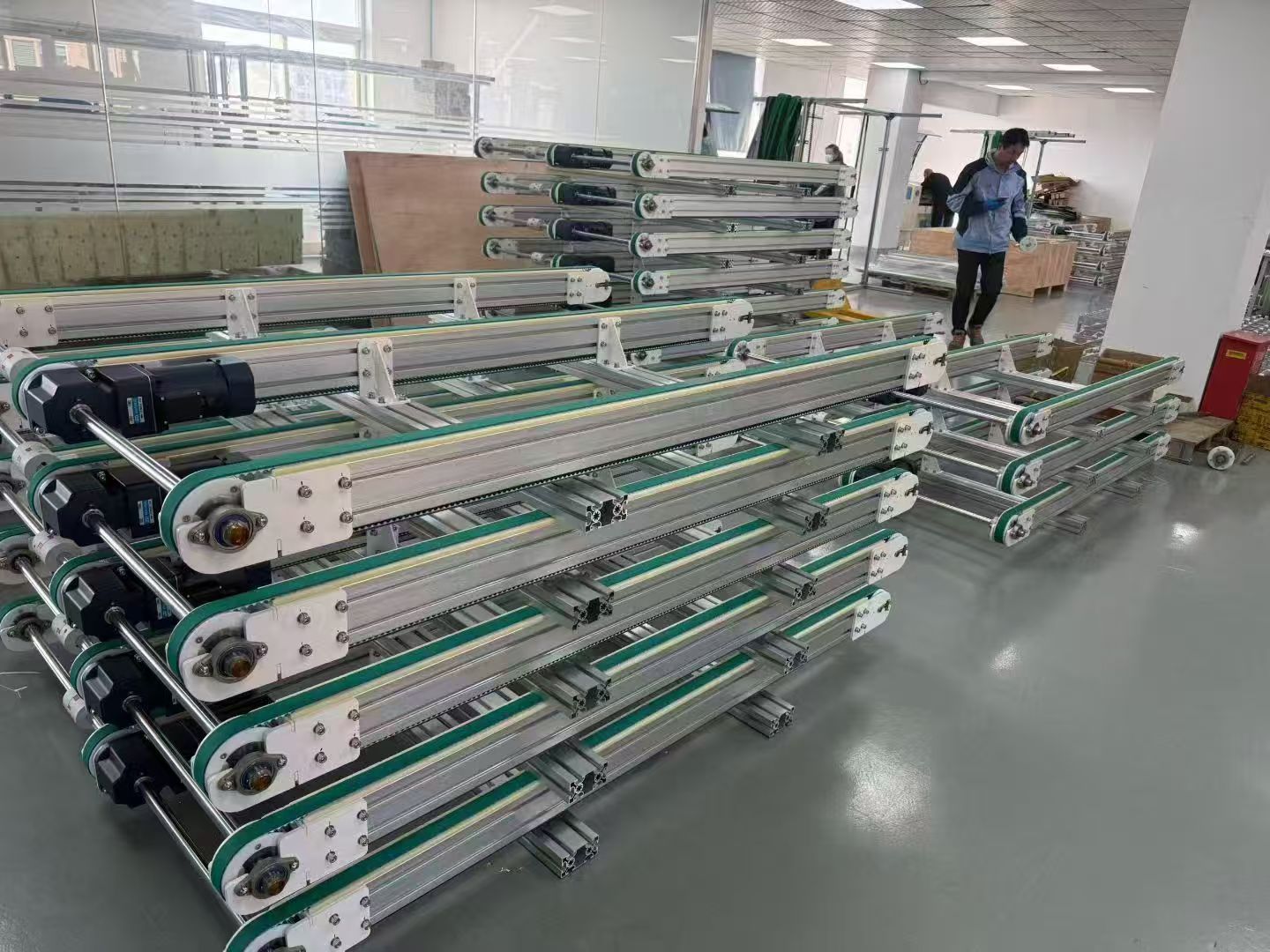
Shanghai Peng Qian Transmission Equipment Co., Ltd. — established 2012, Songjiang District, Shanghai — supplies conveyor belts, PU and rubber synchronous belts, synchronous wheels, modular belts and related transmission components for photovoltaic, food, packaging, logistics, textile and industrial manufacturing applications.
Email: abbypeng@pengqian.cn | Tel: +86 177-0218-9858 | WhatsApp: +86 13381618987
Website: www.shanghai-pengqian.com | Product brochure: download the catalog (PDF)
Send your belt specification, quantity and application conditions, and the team will confirm the matching belt family, customization options, inspection criterion and lead time.
Have Questions or Need More Details?
Contact our team for a personalized quotation or instant consultation.
Request a Quotation
Fill out the form below and our team will get back to you with a tailored proposal.
WhatsApp Direct Chat
Prefer to chat in real-time? Message us on WhatsApp for instant assistance & quick answers.
- Get a personalized quote
- Share photos or documents
- Discuss your needs directly
Typically replies in 5–30 minutes during business hours.