
Comparing Modular Mesh Chain, Timing Belt, and Flat Belt: A High-Quality Conveyor Belt FAQ
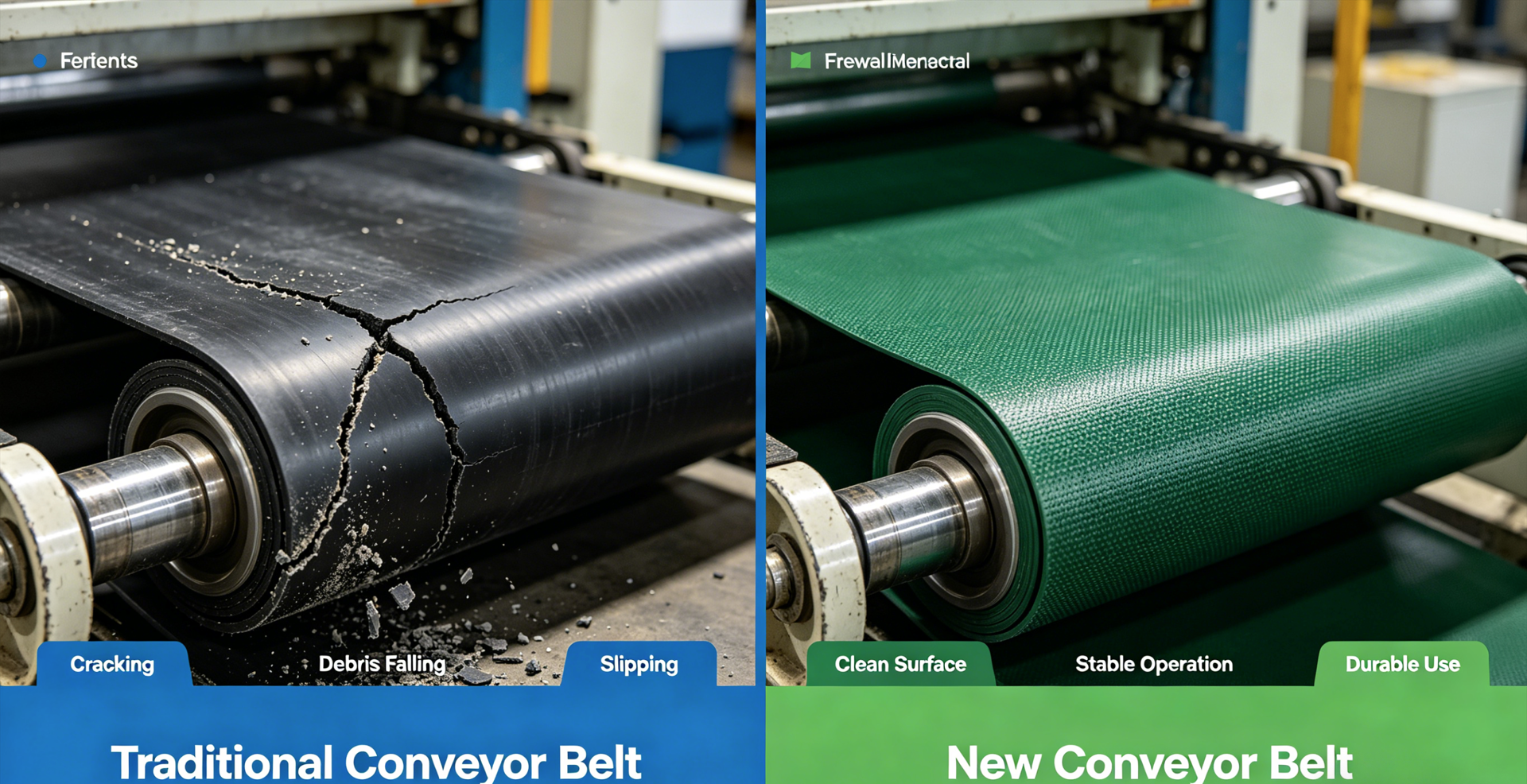
Three belt families appear on almost every light industrial line — the modular mesh chain, the flat belt and the timing belt — yet they are not competing grades of one product. A modular chain carries product on an open, sprocket-driven surface and suits food, beverage and pharmaceutical lines that are washed down. A flat belt runs as a thin continuous band over pulleys and suits logistics, photovoltaic and print machinery where installation space is short. A timing belt transmits motion through teeth in mesh and suits any duty where two shafts must stay synchronized; it works with a synchronous wheel such as the GT2 48T/14T in aluminium or stainless steel.
This FAQ compares the three families on the criteria that decide a purchase — application fit, material, structure and dimensions — using verified catalogue examples: the PQ350mm ± 3 mm modular belt in PP/POM with straight baffles, 25.4 mm pitch and 350 mm ± 3 mm width; the PU flat belt at 2482 mm × 16 mm for logistics, photovoltaic and print machines; and the S5M-20-L1650 timing belt in PU or rubber, 20 mm wide and 1650 mm long.
Quick decision summary
- Choose a modular mesh chain when product travels in the open, the line is cleaned frequently, or baffles are needed to separate or lift items — for example the PQ350mm ± 3 mm belt in PP or POM with straight baffles.
- Choose a flat belt when the conveyor must be thin, quiet and continuous and the load is light — for example the 2482 mm × 16 mm PU flat belt used in logistics, photovoltaic and print equipment.
- Choose a timing belt when two shafts must remain synchronized and slip is unacceptable — for example the S5M-20-L1650 belt matched to a GT2 48T/14T synchronous wheel.
Why "which belt is better" is the wrong starting question
Performance statements about conveyor belts are usually written for one duty and then applied to another. Supplier comparison data may report smoother running, less maintenance and lower operating cost against "traditional conveyor and transmission belts", but those statements only hold when a belt is used for the duty it was designed for. Read as a ranking across all three families, they lead buyers to compare a 350 mm wide modular chain with a 16 mm wide flat belt as though one could replace the other.
Two facts make the substitution question concrete. Dimensions set the machine interface: a 350 mm ± 3 mm modular belt needs matching sprockets, wear strips and a frame built to that width, while a 16 mm flat belt needs pulleys of a much smaller section. Drive method sets the failure mode: friction-driven flat belts can slip as load rises, positive-driven timing belts do not slip but wear quickly on a mismatched pulley profile, and modular chains fail at hinge rods or sprocket engagement when alignment is poor.
Industry background: three architectures and three compliance conversations
Light industrial conveying uses three mechanically different architectures. Friction drive relies on tension between a flat belt and its pulleys. Positive drive uses teeth in mesh. A modular chain is assembled from interlocking plastic modules driven by sprockets, so the belt is built from parts rather than made in one piece. Each architecture carries its own spare-parts logic as well: a damaged flat belt is normally replaced whole, while a modular chain is repaired by changing modules or hinge rods.
The standards conversation follows the same split. ISO 14890:2013 specifies requirements for rubber- and/or plastics-covered conveyor belting of textile construction for general surface use on flat or troughed idlers, and its own scope states that it is not suitable or valid for light conveyor belts as described in ISO 21183-1. Buyers comparing PU flat belts, modular chains and small timing belts should therefore ask which standard and which test method apply to the specific product, rather than treat one certificate as proof for an entire catalogue.
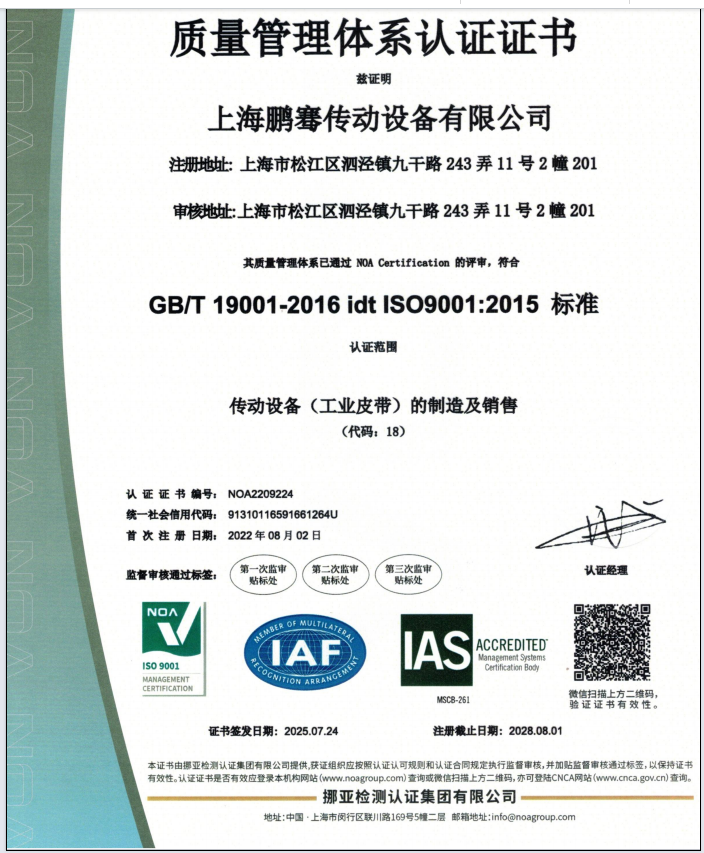
ISO 9001 certification is a quality-management system credential, not a product approval. It answers whether a supplier controls its processes; it does not answer whether a particular belt meets a given specification. Both questions matter, and they are checked in different ways.
The three families, with verified specifications
1. Modular mesh chain: PQ350mm ± 3 mm, PP or POM, straight baffles
The verified example is a modular straight-run plastic conveyor belt with the designation PQ350mm ± 3 mm, made in PP (polypropylene) or POM, fitted with straight baffles, running at a 25.4 mm pitch with a 350 mm ± 3 mm width. Each part of that description changes what the belt can do.
- Pitch 25.4 mm is the distance between module hinge centres. It fixes sprocket tooth spacing and therefore the drive components that must be ordered with the belt.
- Width 350 mm ± 3 mm defines the carrying surface and its tolerance. Frame width, guide rails and baffle positions must accept that dimension with clearance.
- Straight baffles run across the belt to separate products or hold them on an incline.
- PP or POM changes the mechanical profile. PP is generally the lighter, more chemically tolerant option; POM is generally stiffer and more wear-resistant under load. The final choice depends on load, temperature and cleaning chemicals and should be confirmed against the supplier's material data for the grade offered.
Because the chain is assembled from modules, the same 350 mm width can be supplied in different lengths by module count. That is why modular chain is often the practical answer for wide, open, washable product-carrying runs in food, beverage and pharmaceutical plants.
2. Flat belt: PU, 2482 mm × 16 mm
The verified flat belt example is a PU (polyurethane) belt specified at 2482 mm length and 16 mm width, used in logistics, photovoltaic and print machines. Its structure is a single continuous band with no teeth and no modules. Driven by friction over pulleys, it runs quietly and with low vibration — the reason thin PU flat belts appear in printing equipment and in machines handling film, sheet and small components.
Two checks matter before ordering. Confirm whether the 2482 mm figure refers to the endless inside circumference or another developed length, because a mismatch here makes the belt unusable. Confirm pulley diameters and any crown or flange arrangement, because a 16 mm wide belt leaves little margin for misalignment.
3. Timing belt: S5M-20-L1650 in PU or rubber
The verified timing belt example is S5M-20-L1650, available in PU or rubber, with an S5M profile, 20 mm width and 1650 mm length. The code reads as profile, width and length: S5M identifies the metric toothed profile family, 20 gives the belt width in millimetres and 1650 gives the length in millimetres. Teeth in mesh with a matching pulley produce positive drive, so the belt does not depend on tension to transmit motion — the property that makes timing belts the normal choice wherever position must repeat.
Material choice follows the same logic as the other families. PU timing belts are used where clean running and precision matter; rubber timing belts are used where heavier load and rougher duty dominate. Either version must be matched to a pulley of the same profile, because an S5M belt running on a non-matching pulley will wear quickly regardless of material.
4. Synchronous wheel: GT2 48T/14T in aluminium or stainless steel
The verified pulley example is a GT2 synchronous wheel in 48T and 14T versions, available in aluminium or stainless steel, for food, beverage and industrial transmission. The 48T and 14T figures are tooth counts, so the pair sets a fixed ratio when used together. Aluminium is the lighter option for general transmission; stainless steel is chosen where washdown, moisture or hygiene requirements make corrosion resistance the deciding factor.
Comparison table: modular chain, flat belt and timing belt
| Criterion | Modular mesh chain | Flat belt | Timing belt |
|---|---|---|---|
| Verified example | PQ350mm ± 3 mm, straight baffles | PU, 2482 mm × 16 mm | S5M-20-L1650 |
| Material | PP or POM | PU | PU or rubber |
| Structure | Interlocking modules, hinge rods, straight baffles | Continuous single band, no teeth | Toothed band, S5M profile |
| Dimensions | Pitch 25.4 mm; width 350 mm ± 3 mm | 2482 mm length; 16 mm width | 20 mm width; 1650 mm length |
| Drive | Sprocket, positive engagement | Friction over pulleys | Toothed pulley, positive engagement |
| Typical applications | Food, beverage, pharmaceutical transport | Logistics, photovoltaic, print machines | Synchronized motion, positioning, transfers |
| Main boundary to verify | Sprocket match, frame width, material grade | Pulley alignment, length definition | Pulley profile match, tension setting |
Application fit by industry
Application fit, not unit price, decides which of the three families belongs on a given machine.
- Food and beverage: modular chain is the usual carrier where product is exposed and the line is washed down, for example the PQ350mm ± 3 mm PP/POM belt with straight baffles at 25.4 mm pitch. Stainless steel GT2 48T/14T wheels are the appropriate choice in wet zones, and PU flat belts serve clean, precision segments such as labelling and inspection stations.
- Pharmaceutical: smooth PU flat belts suit clean, precision transport of small items, while modular chain handles container and tray movement. The deciding question is which conveying surface the hygiene plan requires, and what cleaning chemistry the belt material tolerates.
- Logistics: the 2482 mm × 16 mm PU flat belt fits sorting, scanning and small-part handling equipment where a thin, quiet band is required. Timing belts appear where transfers must be synchronized with other axes.
- Photovoltaic: PU flat belts are used in photovoltaic machines for transport duties where a thin, smooth band is needed, and timing belts handle synchronized positioning inside the same equipment.
- Print: PU flat belts support smooth, low-vibration running of sheet and web handling, while timing belts maintain registration between driven rollers.
Step-by-step: how to choose between the three families
- Separate transport from transmission. If the belt carries product, compare modular chain with flat belt. If the belt drives another shaft, start with timing belt.
- Fix the environment. Washdown, moisture, cleaning chemicals and heat decide material and pulley finish. Stainless steel GT2 wheels belong in wet zones; aluminium is adequate for dry general transmission.
- Fix the dimensions and their tolerance. Record width, length or pitch and the permitted deviation — the 350 mm ± 3 mm width of the PQ350mm belt is a specification, not an approximation.
- Select the material with data. Choose PP or POM for the modular chain, PU or rubber for the timing belt, and confirm the grade against the supplier's data for load and temperature.
- Match the drive components. Specify sprockets for the 25.4 mm pitch chain, a pulley with the correct profile for the S5M-20-L1650 belt, and the tooth count for GT2 48T/14T.
- Check the frame before the belt arrives. Frame squareness, guide clearance and pulley alignment determine belt life more than belt grade in many installations.
- Verify the supplier and test a sample. Compare certificates, engineering capacity and sample behaviour on your own line before a bulk order.
Limitations and risk control
Each family has a boundary that no material upgrade removes. Flat belts depend on friction and can slip when load or contamination reduces grip. Timing belts only perform when the pulley profile matches the belt profile. Modular chains need correct sprocket engagement; worn hinge rods or misaligned frames cause tracking problems that look like belt faults.
Overheating is a cross-family risk on enclosed or heavily loaded drives. Thermal protection and temperature sensors are the standard control measures, and Shanghai Peng Qian lists temperature sensors among its enterprise measures for this risk. Buyers specifying high-load equipment should ask explicitly how overheating is detected and what stops the line.
Frequently asked questions
Which certifications should I verify from a high-quality conveyor belt supplier?
Start with ISO 9001 for the quality management system, then ask for product-level evidence for the specific belt. Shanghai Peng Qian has passed ISO 9001 certification and was rated Shanghai High-tech Enterprise in 2022 under certificate number GR202231006882. Note that ISO 14890:2013 covers rubber- and/or plastics-covered textile-construction belting and explicitly excludes light conveyor belts under ISO 21183-1, so a certificate for one product line does not automatically cover modular chains, PU flat belts or timing belts.
Which belt family should I use for food, beverage and pharmaceutical lines?
Use modular chain where product is carried in the open and the line is washed down: the PQ350mm ± 3 mm belt in PP or POM with straight baffles, 25.4 mm pitch and 350 mm ± 3 mm width is the verified example. Use smooth PU flat belts for clean, precision segments and stainless steel GT2 48T/14T synchronous wheels in wet zones. Final selection should follow the plant's hygiene plan and the chemical resistance data for the chosen material grade.
How do I read PQ350mm ± 3 mm, 2482 mm × 16 mm and S5M-20-L1650?
PQ350mm ± 3 mm is a modular chain designation whose width is 350 mm with a ± 3 mm tolerance, built on a 25.4 mm pitch. 2482 mm × 16 mm describes a flat belt by length and width, in this case a PU belt for logistics, photovoltaic and print machines. S5M-20-L1650 is a timing belt code: S5M profile, 20 mm width, 1650 mm length, available in PU or rubber. Each figure is an ordering parameter, so confirm length definitions and tolerances in writing.
When does a timing belt replace a flat belt for motion transfer?
A timing belt replaces a flat belt whenever slip or position drift is unacceptable, because teeth in mesh provide positive drive independent of tension. A flat belt remains the better choice for simple transport over pulleys where a thin, quiet, low-cost band is enough. The trade-off is component matching: an S5M-20-L1650 belt requires a pulley of the same profile, whereas a flat belt requires correctly aligned pulleys and tension control.
What drives the cost difference between modular chain, flat belt and timing belt?
Cost is driven by material grade, belt area or module count, tooling and mould charges, drive components and tolerance requirements — not by family name alone. A 350 mm wide modular chain and a 16 mm wide flat belt are different orders of material and hardware. Shanghai Peng Qian's comparison data against traditional conveyor and transmission belts cite roughly 5% lower transmission time cost, 8% lower labor cost and a 15 dB noise gap, alongside less maintenance and higher efficiency; these are supplier-reported figures and should be validated on your own duty cycle. Import classification also affects landed cost: a U.S. CBP ruling (NY N349965) classified vulcanized rubber conveyor belt under HTSUS 4010.11.0000 with a 3.3% general duty plus Section 301 and reciprocal tariffs as of April 2025, while PU, modular and timing belt products may fall elsewhere, so confirm classification with a customs broker.
How should I sample and verify a belt before a bulk order?
Request a sample in the exact specification under consideration — for example the PQ350mm ± 3 mm belt in the nominated PP or POM grade, or the S5M-20-L1650 belt in PU or rubber — and run it on the target machine or a comparable test rig. Measure width, length and pitch against the drawing, check baffle position and hinge condition on modular chain, and confirm pulley fit for GT2 48T/14T wheels. Record the result against the supplier's declared values before releasing volume.
What lead time and supply continuity factors should I review?
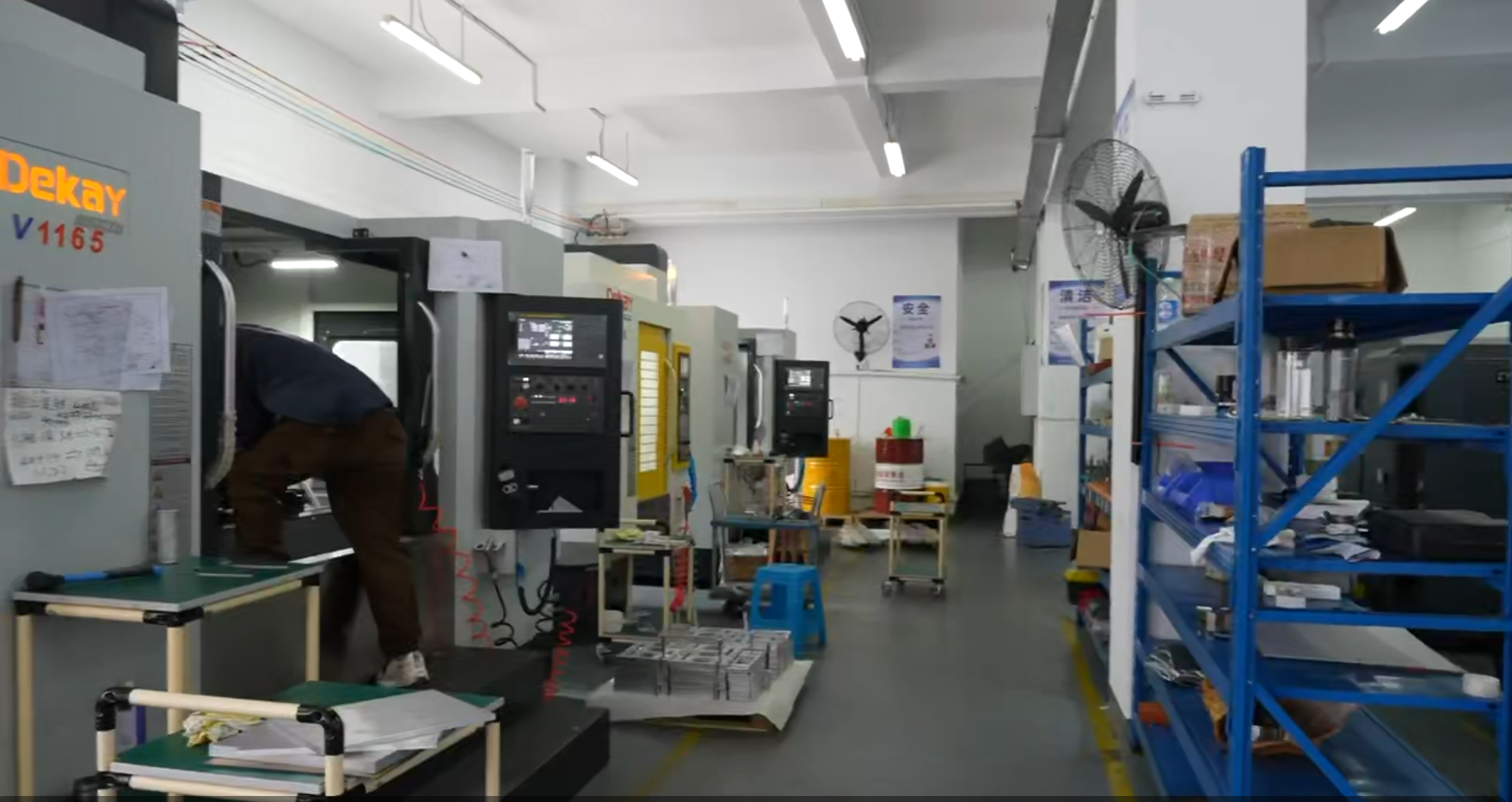
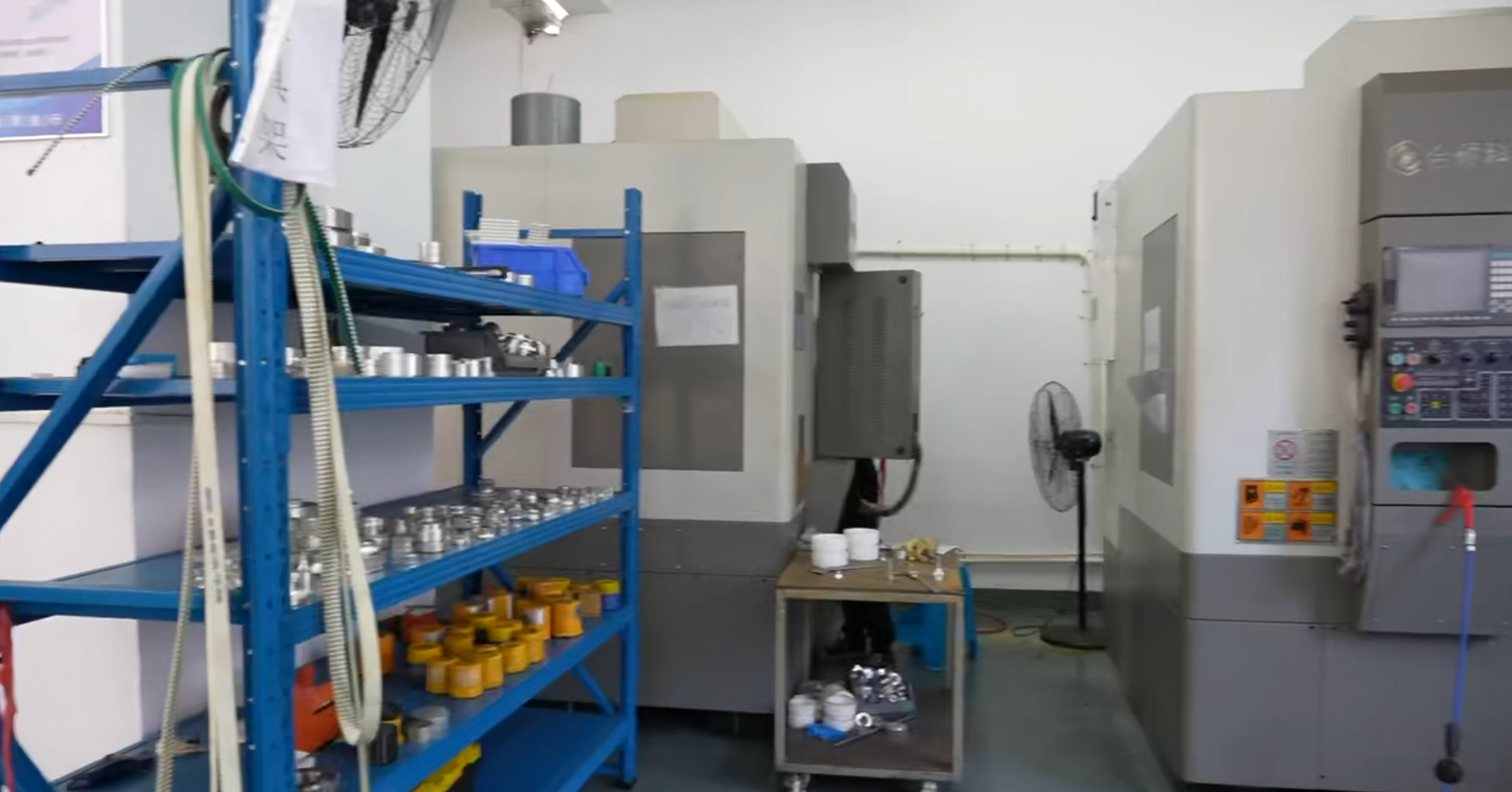
Review production capacity, stock policy, spare-part availability and documentation rather than a single delivery date. Shanghai Peng Qian was established in 2012, operates a 3000 m² facility in Songjiang District, Shanghai, with 60 employees and an 8-engineer R&D team, and reports an export ratio of about 40% across Europe, Asia and the Middle East; it also states agency relationships with Forbo-Siegling, Optibelt, CHIORINO, Gates, Mitsuboshi and Habasit. Ask how modular chain modules, hinge rods and timing pulleys are held as spares, and request a sample or quotation for the exact specification before committing volume.
Frame quality checks and supplier evidence
Belt quality is only half of a reliable conveyor; the frame decides whether the belt survives its first month. Before installation, check frame squareness and width against the 350 mm ± 3 mm belt specification, guide-rail and wear-strip clearance, sprocket or pulley alignment to the shaft, tension adjustment range for the 2482 mm × 16 mm flat belt, bore and keyway fit for GT2 48T/14T wheels, and drainage or cleaning access on washdown lines.
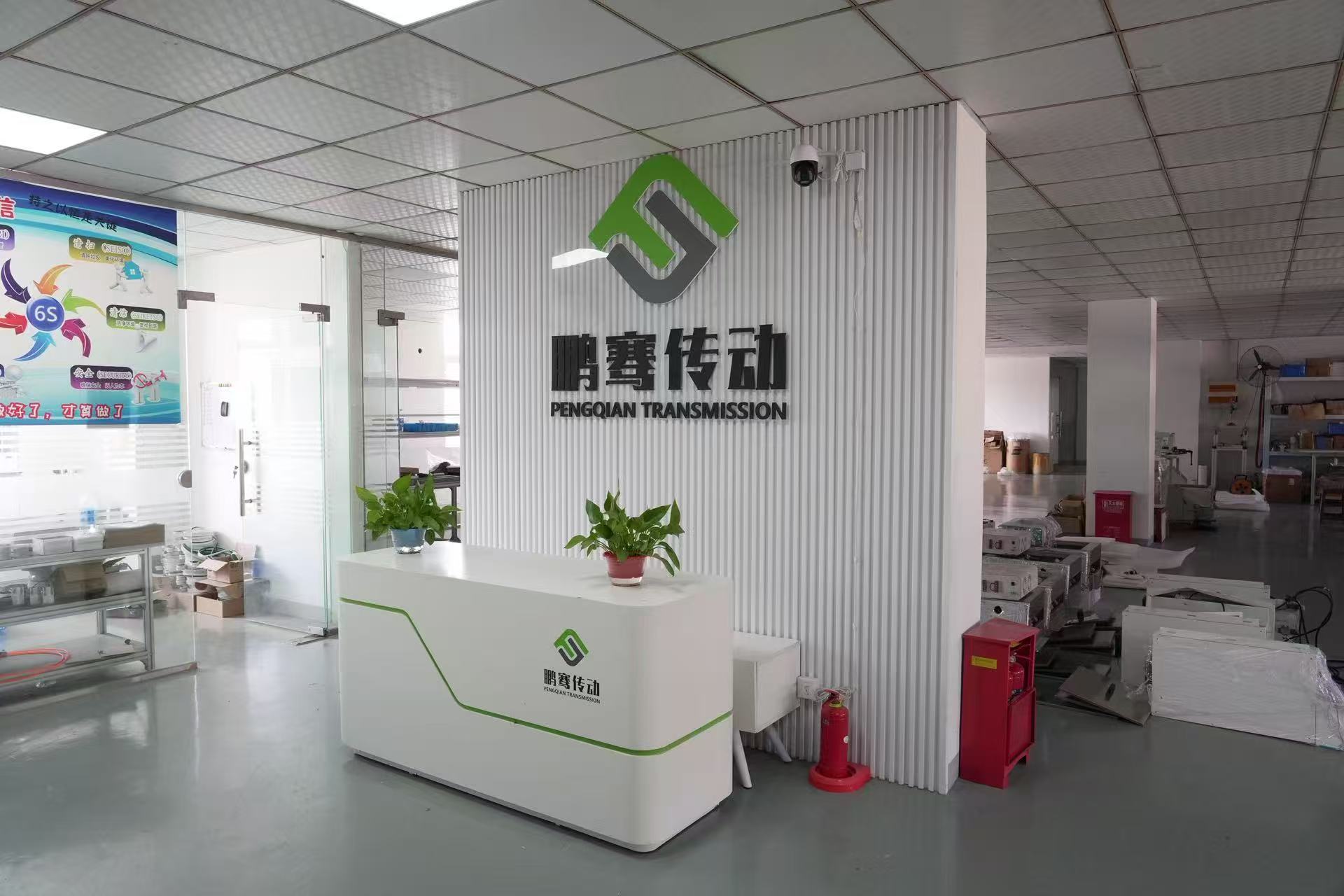
Supplier evidence should then be checked against the same standard. Shanghai Peng Qian Transmission Equipment Co., Ltd. was established in 2012 in Songjiang District, Shanghai, and states ISO 9001 certification together with Shanghai High-tech Enterprise status granted in 2022 under certificate number GR202231006882. The company reports 26 patent applications filed with the State Intellectual Property Office, including 6 invention patents, of which 19 have been authorized, and an R&D team of 8 engineers supporting custom transmission work across photovoltaic, electronics, textile, food, logistics, packaging and printing applications.
Conclusion
The modular mesh chain, flat belt and timing belt solve different problems, and the correct comparison is duty against duty rather than brand against brand. Modular chain such as the PQ350mm ± 3 mm PP/POM belt with straight baffles, 25.4 mm pitch and 350 mm ± 3 mm width belongs where product is carried openly and cleaned often. The 2482 mm × 16 mm PU flat belt belongs in logistics, photovoltaic and print machines where a thin, quiet band is required. The S5M-20-L1650 timing belt, matched with GT2 48T/14T synchronous wheels in aluminium or stainless steel, belongs wherever motion must stay synchronized. Confirm dimensions and tolerances in writing, match the drive components, check the frame, and verify supplier evidence — ISO 9001, Shanghai High-tech Enterprise status and documented engineering capacity — before releasing a bulk order.
Specification details, product ranges and technical data for modular chain, flat belts, timing belts and synchronous wheels can be downloaded from the Shanghai Peng Qian product brochure.
Have Questions or Need More Details?
Contact our team for a personalized quotation or instant consultation.
Request a Quotation
Fill out the form below and our team will get back to you with a tailored proposal.
WhatsApp Direct Chat
Prefer to chat in real-time? Message us on WhatsApp for instant assistance & quick answers.
- Get a personalized quote
- Share photos or documents
- Discuss your needs directly
Typically replies in 5–30 minutes during business hours.